
Pneumonia Treatment in Albuquerque
Pneumonia is a serious respiratory infection that requires prompt medical attention and expert care. At Body1MD Primary Care & Wellness, we provide comprehensive pneumonia diagnosis, treatment, and recovery support to help you breathe easier and regain your health.
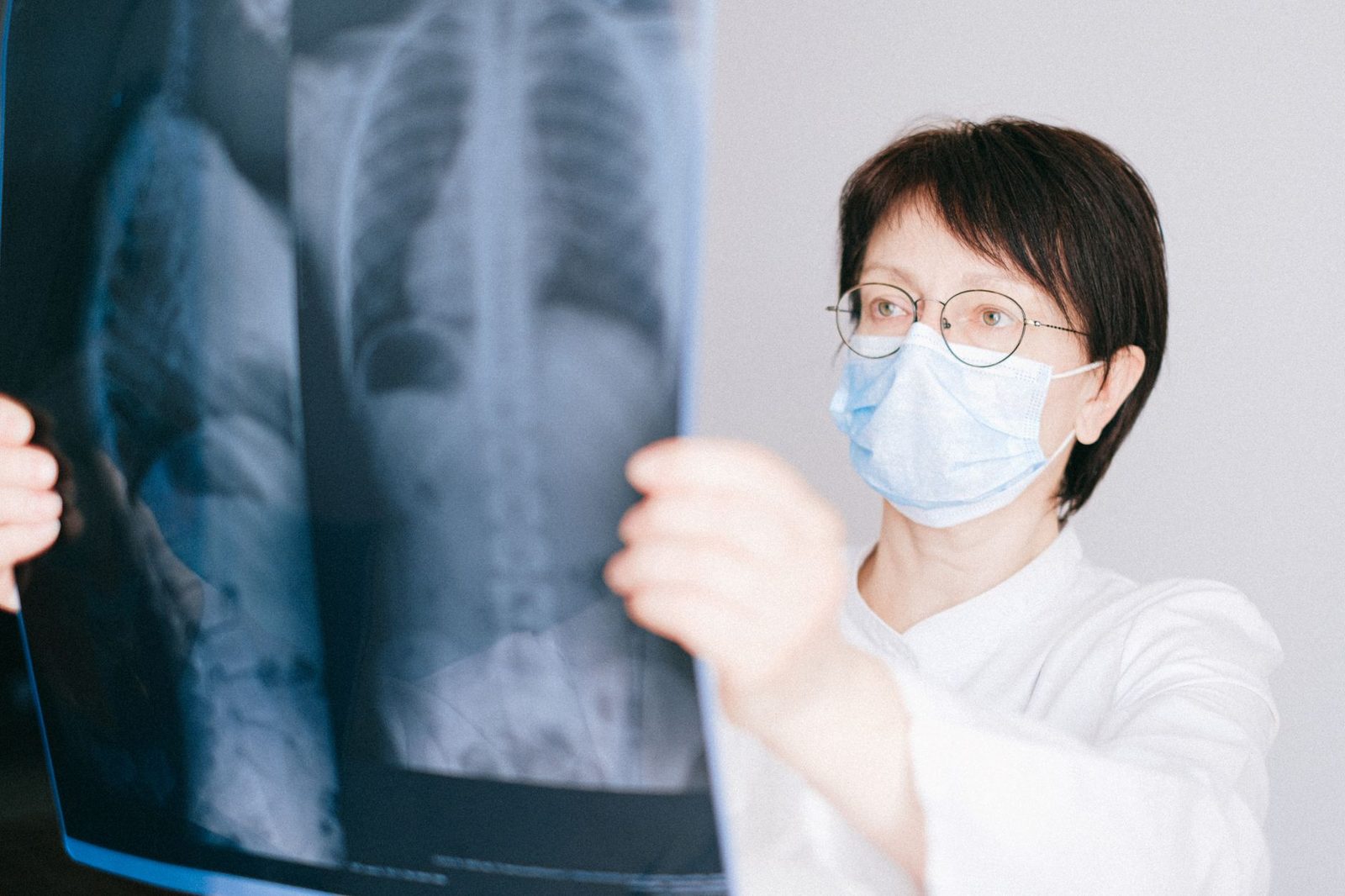
Understanding Pneumonia
Pneumonia is an infection that inflames the air sacs in one or both lungs, which may fill with fluid or pus. This common yet potentially serious condition affects millions of Americans each year, ranging from mild cases that resolve with outpatient treatment to severe infections requiring hospitalization. The inflammation makes breathing painful and limits oxygen intake, significantly impacting daily activities, work productivity, and overall quality of life. While anyone can develop pneumonia, it poses the greatest risk to infants, young children, adults over 65, and individuals with weakened immune systems or chronic health conditions. Understanding the nature of this infection and seeking timely medical care are crucial steps toward recovery and preventing complications.
Pneumonia can be caused by various infectious agents including bacteria, viruses, and fungi. Bacterial pneumonia, most commonly caused by Streptococcus pneumoniae, tends to be more severe and typically develops suddenly with high fever and chest pain. Viral pneumonia, often following influenza or other respiratory viruses, usually develops more gradually and may initially present with flu-like symptoms before progressing to lower respiratory involvement. Risk factors for developing pneumonia include smoking, chronic lung diseases like COPD or asthma, heart disease, diabetes, weakened immune systems, recent hospitalization or surgery, difficulty swallowing, and exposure to certain environmental irritants or infectious agents. Age is also a significant factor, as the immune system becomes less effective at fighting infections in older adults, while young children have developing immune systems that may struggle with respiratory pathogens.
Professional medical treatment for pneumonia is essential because this infection can rapidly progress from mild to severe, potentially leading to life-threatening complications such as respiratory failure, sepsis, lung abscesses, or pleural effusions. Without appropriate treatment, pneumonia can cause permanent lung damage or spread infection to other parts of the body. Early diagnosis through physical examination, chest X-rays, and sometimes laboratory tests allows for targeted treatment that addresses the specific cause of infection. Proper medical care includes not only prescribing appropriate antibiotics for bacterial pneumonia or supportive care for viral pneumonia, but also monitoring for complications, managing symptoms like fever and chest pain, ensuring adequate hydration and nutrition, and providing guidance on breathing exercises and activity levels during recovery. At Body1MD Primary Care & Wellness, we take a comprehensive approach to pneumonia treatment, recognizing that effective care extends beyond prescriptions to include patient education, close monitoring, and ongoing support throughout the healing process.
Signs & Symptoms of Pneumonia
- Persistent Cough: Productive cough with green, yellow, or bloody mucus that worsens over time.
- High Fever: Temperature of 102°F or higher, often accompanied by sweating and chills.
- Chest Pain: Sharp or stabbing pain that worsens with deep breathing or coughing.
- Shortness of Breath: Difficulty breathing even with minimal activity or at rest in severe cases.
- Fatigue and Weakness: Profound exhaustion that makes even simple tasks feel overwhelming.
- Loss of Appetite: Decreased desire to eat accompanied by nausea or digestive discomfort.
- Night Sweats: Excessive sweating during sleep that may require changing clothes or bedding.
- Rapid Breathing: Breathing rate exceeding 30 breaths per minute or gasping for air.
- Blue Lips or Fingernails: Cyanosis indicating insufficient oxygen in the blood requiring emergency care.
- Confusion or Altered Mental State: Disorientation, difficulty concentrating, or changes in awareness, especially in older adults.
- Persistent Vomiting: Inability to keep down fluids or medications, risking dehydration.
- Low Blood Pressure: Dizziness, lightheadedness, or fainting due to sepsis or severe infection.
- Temperature Below Normal: Body temperature below 95°F, which can indicate severe infection in vulnerable patients.
- Worsening of Chronic Conditions: Exacerbation of heart disease, COPD, or diabetes due to the stress of infection.
What to Expect
- Comprehensive diagnostic evaluation including physical examination, with chest X-rays and laboratory testing ordered as needed to identify the specific cause and severity of your pneumonia
- Personalized antibiotic therapy for bacterial pneumonia selected based on the causative organism, resistance patterns, and your individual health factors
- Evidence-based supportive care including fever management, hydration guidance, breathing exercises, and activity recommendations tailored to your recovery
- Close monitoring throughout treatment with follow-up visits to assess clinical improvement, adjust medications if needed, and detect complications early
- Direct phone and text access to Dr. Hemmen while you recover at home, so questions and changes in symptoms are addressed promptly
- Prevention strategies including vaccination recommendations, management of underlying conditions, and education to reduce your risk of future respiratory infections
How We Treat Pneumonia
Comprehensive Assessment
Your evaluation begins with a thorough physical examination including lung auscultation to detect abnormal breath sounds, checking your vital signs, and assessing your respiratory rate and effort. We review your complete medical history, current symptoms, risk factors, and any underlying conditions that may affect treatment. Dr. Hemmen typically orders a chest X-ray to visualize lung inflammation and rule out complications, and may order laboratory work such as complete blood counts, sputum cultures to identify the infectious organism, or blood cultures in severe cases to guide targeted antibiotic therapy.
Personalized Treatment Plan
Based on your diagnosis, we develop an individualized treatment strategy that addresses your specific type of pneumonia, severity, and personal health factors. For bacterial pneumonia, we prescribe appropriate antibiotics selected based on the likely pathogen, local resistance patterns, and your medical history. Treatment also includes supportive care measures such as fever reducers, cough suppressants when appropriate, adequate hydration recommendations, and breathing exercises to promote lung expansion. We provide clear instructions on medication timing, potential side effects to watch for, activity modifications during recovery, and warning signs that would require immediate medical attention.
Ongoing Care & Monitoring
Recovery from pneumonia requires careful monitoring to ensure treatment effectiveness and detect any complications early. We schedule follow-up visits to assess your clinical improvement, repeat physical examinations to confirm lung clearing, and may order follow-up chest X-rays to document resolution of the infection. Throughout your treatment, you can reach Dr. Hemmen directly by phone and text with questions or concerns, and he adjusts medications if needed based on your response. For patients with underlying conditions or risk factors, we develop strategies to prevent future episodes including vaccination recommendations, lifestyle modifications, and management of chronic diseases that increase pneumonia risk.
Benefits
Board-Certified Expertise
Dr. Hemmen is board-certified in internal medicine and brings careful, evidence-based care to diagnosing and treating respiratory infections, including all forms of pneumonia.
Personalized Care Plans
We recognize that every patient is unique, tailoring treatment approaches to your specific type of pneumonia, underlying health conditions, and individual recovery goals.
Direct Access While You Recover
Members can reach Dr. Hemmen directly by phone and text, and he is available 24/7 most of the year for questions about symptoms, medications, and recovery. He will tell you when you need to be seen in person.
Hospital Medicine Experience
Dr. Hemmen spent more than 20 years caring for hospitalized patients and served as Chief Hospitalist during the opening of Presbyterian Rust Medical Center. That background informs how he weighs whether pneumonia can be treated at home or needs hospital care.
Your Treatment Journey
First Evaluation (Week 1)
Your journey begins with a comprehensive evaluation including physical examination, symptom review, and a chest X-ray and laboratory work ordered as needed. We'll discuss your medical history, current symptoms, and any risk factors. You'll leave with a clear diagnosis, treatment plan including prescriptions if appropriate, detailed instructions for home care, and scheduled follow-up. Most people begin feeling some improvement within 48-72 hours of starting antibiotics for bacterial pneumonia, though complete recovery takes longer.
Active Treatment (Weeks 1-3)
During this critical phase, you'll take prescribed medications exactly as directed, typically antibiotics for 5-14 days depending on severity and type of pneumonia. Focus on rest, hydration, and nutrition to support your immune system. Stay in touch with Dr. Hemmen by phone or text during this period so he can monitor your progress, address any medication side effects, and ensure symptoms are improving. It's normal to feel fatigued during this time, and he will guide you on appropriate activity levels. Most people see significant improvement by week two, with fever resolving and breathing becoming easier.
Progress Review (Weeks 3-6)
We'll schedule a follow-up visit to assess your recovery and ensure the infection has resolved. This may include a repeat physical examination and, when appropriate, a follow-up chest X-ray to confirm lung clearing. Most patients feel substantially better by this point, though some residual fatigue or mild cough may persist. We'll discuss gradual return to normal activities, when you can safely resume exercise, and any ongoing precautions. If you have underlying conditions or risk factors, we'll address prevention strategies including vaccinations and lifestyle modifications to reduce your risk of future respiratory infections.
Prevention & Long-term Health
Complete recovery from pneumonia typically takes 4-6 weeks, though this varies by age, overall health, and severity of infection. We'll work with you on strategies to prevent recurrence including pneumococcal and influenza vaccinations, smoking cessation support if applicable, management of chronic conditions like diabetes or COPD, and education on recognizing early signs of respiratory infections. For patients with recurrent pneumonia or underlying lung disease, we develop comprehensive long-term management plans. Our goal extends beyond treating the current infection to supporting your overall respiratory health and preventing future complications.
When to Seek Care
If you recognize these signs, help is available. Early treatment leads to better outcomes. Call or text Body1MD to schedule an evaluation and begin your path to recovery. If you have severe shortness of breath, chest pain, confusion, or bluish lips or fingernails, call 911 or go to the nearest emergency room.
Evidence-Based Treatment Modalities
Our evidence-based approach to pneumonia treatment combines proven medical therapies with compassionate, personalized care. For bacterial pneumonia, we utilize appropriate antibiotics from classes including penicillins, macrolides, fluoroquinolones, or cephalosporins, selected based on the suspected causative organism, severity of infection, and patient factors such as allergies or comorbidities. Viral pneumonia management focuses on supportive care including rest, hydration, fever control, and monitoring for secondary bacterial infection, with antiviral medications considered in specific cases such as influenza-related pneumonia. We emphasize the importance of completing the full course of prescribed antibiotics even when symptoms improve, as premature discontinuation can lead to treatment failure or antibiotic resistance. More severe pneumonia may call for oxygen, breathing treatments, chest physiotherapy, or hospital care, and when that is the case Dr. Hemmen will help direct you to the right setting. Dr. Hemmen also addresses chest discomfort with appropriate pain relief. Throughout treatment, we provide education on nutrition to support immune function, gradual return to activity as strength improves, and recognition of warning signs that might indicate complications requiring more intensive intervention.
Common Questions About Pneumonia
How long does pneumonia treatment take?
Treatment duration varies depending on the type and severity of pneumonia, your overall health, and how quickly you respond to therapy. Most patients take antibiotics for 5-14 days for bacterial pneumonia, with many feeling significantly better within 48-72 hours of starting treatment. However, complete recovery typically takes 4-6 weeks. During this time, you may experience gradual improvement in energy levels, breathing, and stamina. Older adults, individuals with chronic health conditions, or those with severe pneumonia may require longer recovery periods. We monitor your progress closely and adjust treatment as needed, scheduling follow-up visits to ensure complete resolution and prevent complications.
Is medication always required for pneumonia?
Treatment depends on the type of pneumonia you have. Bacterial pneumonia almost always requires antibiotics to clear the infection and prevent serious complications. Without antibiotic treatment, bacterial pneumonia can lead to respiratory failure, sepsis, or death. Viral pneumonia typically doesn't respond to antibiotics and is managed with supportive care including rest, fluids, fever reducers, and symptom management, though antiviral medications may be prescribed for influenza-related pneumonia. Regardless of the cause, all patients benefit from supportive therapies such as adequate hydration, proper nutrition, breathing exercises, and appropriate rest. We determine the best treatment approach based on your specific diagnosis, symptom severity, and individual health factors. Never attempt to self-treat pneumonia or decide independently to stop prescribed antibiotics, as this can lead to treatment failure, antibiotic resistance, or serious complications.
Does Body1MD bill insurance for pneumonia treatment?
No. Body1MD is a direct primary care practice and does not bill insurance. Patients pay the practice directly through a monthly membership: $100 per month for members under 50 and $150 per month for members 50 and older, month to month with no annual contract. Membership gives you direct access to Dr. Hemmen for evaluation, treatment, and follow-up of conditions like pneumonia. Because pneumonia sometimes calls for chest X-rays, lab work, or hospital care, many DPC members keep insurance or a high-deductible plan for hospital care, specialists, and imaging. Dr. Hemmen's office can explain how outside labs, imaging, and prescriptions are handled before you join. We believe financial concerns should never keep you from getting care for a serious infection.
What if the initial antibiotic doesn't work?
While most people respond well to initial antibiotic therapy, approximately 10-15% may require adjustment of treatment. If you're not improving within 48-72 hours of starting antibiotics, or if symptoms worsen, contact us immediately. Lack of response can occur for several reasons: the causative bacteria may be resistant to the chosen antibiotic, the infection might be viral rather than bacterial, there could be complications such as pleural effusion or lung abscess, or you might have an atypical organism requiring different antibiotics. Dr. Hemmen will reassess your condition through physical examination and, if needed, order additional testing such as sputum culture, blood cultures, or repeat chest imaging. Based on these findings, we'll adjust your treatment, which might include switching to a different antibiotic class, adding a second antibiotic for broader coverage, or considering alternative diagnoses. Close follow-up during the initial treatment period allows us to identify and address treatment failures quickly, ensuring you get the most effective therapy for your specific infection.
Can I reach Dr. Hemmen while I recover from pneumonia?
Yes. Members have direct access to Dr. Hemmen by phone and text, which is especially helpful during recovery, when you may be too tired to travel. You can report how your fever, breathing, and energy are changing, ask about medication side effects, and check whether a new symptom matters. Suspected pneumonia, however, usually needs an in-person evaluation first, including a physical examination with lung auscultation and often a chest X-ray, to confirm the diagnosis and assess severity. Dr. Hemmen will advise whether a phone check-in is enough or whether you should come in, and same- or next-day appointments are available in most cases. Phone contact is not a substitute for emergency care: if you have significant shortness of breath, chest pain, high fever with confusion, bluish lips, or other signs of respiratory distress, call 911 or go to the nearest emergency room.
Can pneumonia be prevented?
While not all cases can be prevented, several strategies significantly reduce your risk of developing pneumonia. Vaccination is the most effective preventive measure: pneumococcal vaccines protect against the most common bacterial cause of pneumonia, while annual influenza vaccination prevents viral infections that can lead to secondary bacterial pneumonia. Other important prevention strategies include smoking cessation, as tobacco damages lung defenses against infection; practicing good hand hygiene to prevent spread of respiratory pathogens; avoiding close contact with people who have respiratory infections; managing chronic conditions like diabetes, heart disease, and COPD that increase pneumonia risk; maintaining good nutrition and overall health to support immune function; and considering pneumonia vaccination for high-risk individuals including adults over 65, those with chronic lung or heart disease, immunocompromised patients, and smokers. If you experience recurrent pneumonia, we'll investigate underlying causes such as aspiration risk, immune deficiencies, or structural lung problems, and develop a targeted prevention plan. At Body1MD, we emphasize preventive care and work with each patient to identify their individual risk factors and implement strategies to protect respiratory health.
Related Conditions
Related
Bronchitis
Inflammation of the bronchial tubes causing persistent cough, mucus production, and chest discomfort requiring expert respiratory care.
Related
COPD Management
Comprehensive management of chronic obstructive pulmonary disease to improve breathing, prevent exacerbations, and enhance quality of life.
Related
Asthma
Personalized asthma treatment plans including medication management, trigger identification, and prevention of acute attacks.
Get Help for Pneumonia Today
You don't have to face pneumonia alone. Dr. Hemmen is ready to help you recover and breathe easier.
Book a Visit