Annual Physical vs Sick Visits: Why Preventive Care Matters
Understanding the critical difference between reactive sick visits and proactive annual physicals for your long-term health in Albuquerque, NM
Side-by-Side Comparison
The Annual Physical: Your Health Insurance Policy
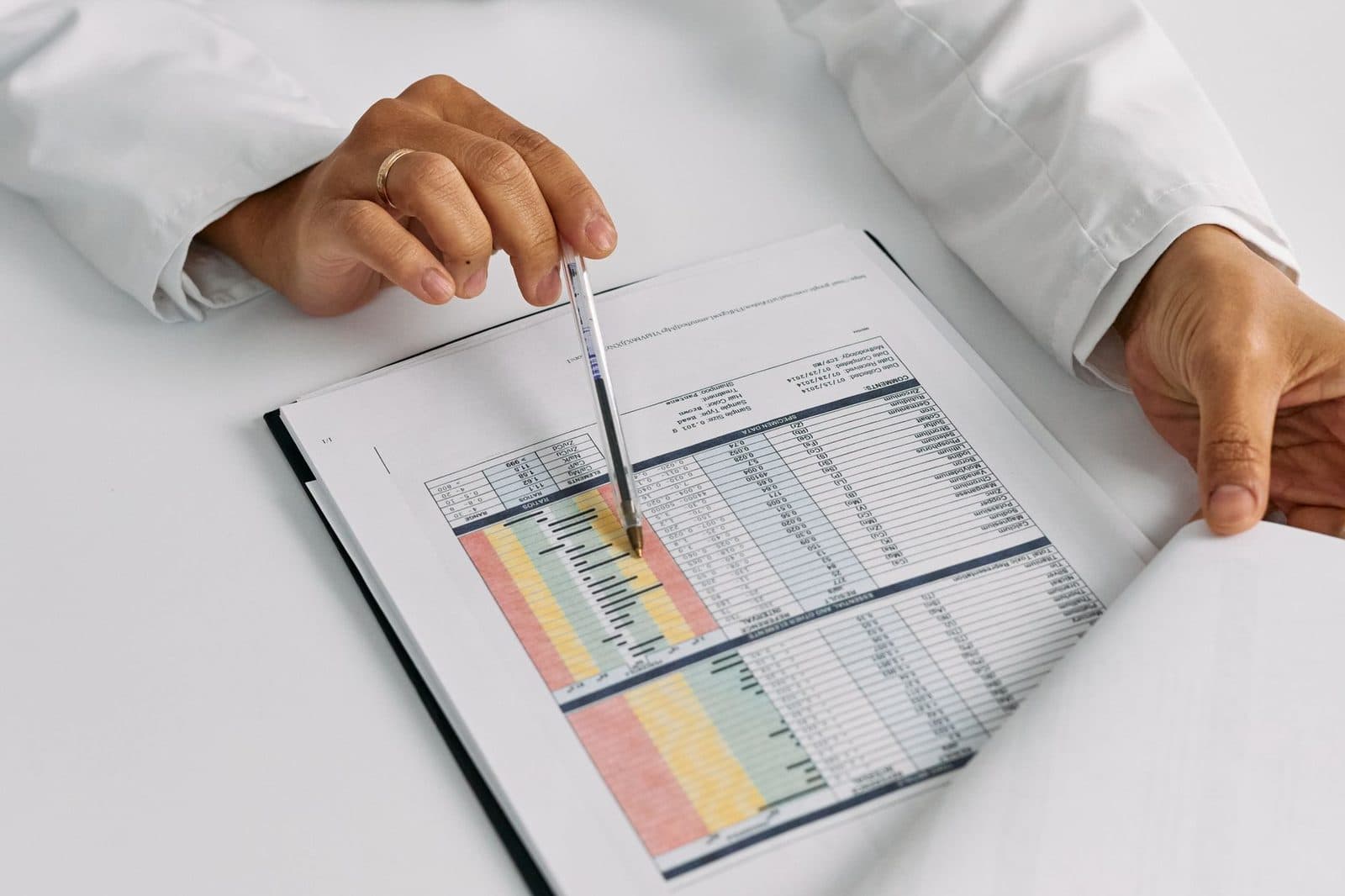
An annual physical exam is the cornerstone of preventive medicine. During this comprehensive visit, your primary care physician evaluates your overall health status through a systematic review of body systems, vital signs, laboratory tests, and age-appropriate cancer screenings. This isn't just a checkbox exercise. It's a strategic health investment.
Regular annual physicals make it far more likely that conditions like diabetes, hypertension, and high cholesterol are found early, often years before they cause symptoms, rather than only after you feel sick. This early detection window is often the difference between simple lifestyle modifications and complex medication regimens or surgical interventions.
Beyond screenings, the annual physical establishes a baseline for your health trajectory. Your physician tracks changes in weight, blood pressure, cholesterol, and other biomarkers over time, identifying subtle trends that might indicate emerging problems. This longitudinal perspective is impossible to achieve through episodic sick visits alone.
Sick Visits: Necessary but Reactive
Sick visits serve an essential purpose: addressing acute medical concerns that require immediate attention. Whether you're dealing with the flu, a urinary tract infection, allergic reactions, or a minor injury, prompt sick visits provide focused, symptom-specific care. They're designed for efficiency: get in, diagnose the problem, receive treatment, and recover.
However, sick visits by nature are reactive. You're already symptomatic, which means the condition has already developed. While your physician can treat the immediate problem effectively, there's limited time during a typical 15-minute sick visit to discuss nutrition, stress management, exercise habits, or screening schedules, the very factors that prevent future illness.
Patients who rely exclusively on sick visits often miss the opportunity to address risk factors before they become diseases. Many cancers, for example, are far more treatable when an age-appropriate screening finds them early than when they are discovered only after symptoms appear.
The Preventive Care Advantage
The true power of annual physicals lies in their ability to shift your health paradigm from reactive to proactive. When you establish a relationship with a primary care physician in Albuquerque through regular annual visits, you're not just getting one exam per year. You're building a comprehensive health partnership.
Your physician learns your health history, family risk factors, lifestyle patterns, and health goals. This context enables personalized recommendations that go far beyond generic advice. If you have a family history of heart disease, your annual physical becomes an opportunity to implement aggressive cholesterol management and cardiac risk reduction strategies before any symptoms appear.
Economically, preventive care can also make sense. Services such as blood pressure checks, cholesterol screening, and vaccines are widely considered among the most cost-effective care in medicine. When you factor in lost productivity from illness, emergency room visits, and specialist consultations that could have been avoided, the return on investment for annual physicals becomes even more compelling.
How to Decide What You Need
Schedule an Annual Physical If:
- You haven't had a comprehensive exam in the past 12 months
- You're over 35 or have family history of chronic disease (diabetes, heart disease, cancer)
- You want to optimize your health, not just treat illness
- You're due for age-appropriate cancer screenings (colonoscopy, mammogram, skin check)
- You have risk factors like obesity, smoking, sedentary lifestyle, or high stress
- You want to establish a relationship with a primary care physician before you need urgent care
Book a Sick Visit If:
- You have acute symptoms requiring immediate attention (fever, infection, pain, injury)
- You need same-day or next-day evaluation for a specific problem
- You have a single, focused concern (rash, cold, sprain, urinary symptoms)
- You've already had your annual physical and this is a new issue
The Best Approach: Both
Optimal healthcare isn't choosing between preventive and acute care. It's using both strategically. Schedule your annual physical to maintain baseline health and catch problems early, then use sick visits as needed for unexpected issues. This combination provides comprehensive coverage for both prevention and treatment.
Frequently Asked Questions
Can I discuss acute symptoms during my annual physical?
Yes, but with limitations. If you have minor concerns, your physician can briefly address them during your physical. However, if your acute issue requires extensive evaluation, testing, or treatment, it's better to schedule a separate sick visit. This ensures your annual physical receives full attention for preventive care while giving acute problems the focused time they need. Many patients schedule a sick visit first to resolve symptoms, then book their annual physical when healthy.
Does insurance cover both types of visits?
Under the Affordable Care Act, most insurance plans cover one annual preventive care visit per year with no copay or deductible, including your annual physical and age-appropriate screenings. Sick visits typically require a copay and count toward your deductible, and if you discuss new symptoms during a preventive visit, your insurer may apply sick visit charges. Body1MD works differently: it does not bill insurance, so your visit is never coded as preventive or sick for an insurer. Members pay a flat monthly membership ($100 per month under age 50, $150 per month at 50 and up), month-to-month. Dr. Hemmen's office can explain how outside labs, imaging and prescriptions are handled before you join.
How often should healthy adults have an annual physical?
The recommendation is every 12 months for adults, regardless of how healthy you feel. Even if you're young, active, and symptom-free, annual physicals establish health baselines and detect silent conditions like hypertension or prediabetes before they cause damage. After age 40, or if you have chronic conditions, your primary care physician may recommend more frequent monitoring visits between annual physicals to track specific health markers.
What's included in a comprehensive annual physical?
A thorough annual physical typically includes: detailed medical history review, family history assessment, vital signs (blood pressure, heart rate, temperature, respiratory rate), physical examination of all body systems, vision and hearing screening, and ordered blood work as appropriate, such as a comprehensive metabolic panel, lipid panel (cholesterol), diabetes screening, thyroid function tests, and urinalysis, along with age-appropriate cancer screenings (colonoscopy referral, mammogram referral, skin check, prostate screening), immunization updates, and personalized lifestyle counseling. Dr. Hemmen tailors screenings based on your age, sex, and risk factors.
What should I do if I need care between annual physicals?
Schedule a sick visit whenever acute symptoms arise. Don't wait for your next annual physical. Early treatment prevents complications and improves outcomes. At Body1MD, members can be seen same- or next-day in most cases and can reach Dr. Hemmen directly by phone and text. If you're unsure whether your concern warrants immediate attention, call the office at (505) 645-5451 for guidance. We'd rather evaluate you promptly than have you delay care or resort to urgent care centers or emergency rooms.
Ready to Prioritize Prevention?
Schedule your annual physical with Body1MD Primary Care & Wellness in Los Ranchos de Albuquerque and establish a proactive approach to your health
Discuss Your Options