You feel fine. You're busy. You haven't had symptoms in months, maybe years. So why bother scheduling an annual physical exam? It's a question millions of Americans ask themselves each year, and the answer could literally save your life.
Annual physical exams are far more than a routine formality. They're your frontline defense against silent health threats, a cornerstone of preventive medicine, and an opportunity to build a meaningful relationship with your healthcare provider. Yet nearly half of American adults skip their yearly checkup, often discovering health problems only when symptoms become impossible to ignore.
Let's explore why that annual visit deserves a permanent spot on your calendar, and what you might be missing if you skip it.
Early Detection Saves Lives
Many serious health conditions develop silently over years. High blood pressure, elevated cholesterol, prediabetes, and even certain cancers often produce no symptoms in their early stages. By the time you feel something is wrong, the disease may have progressed significantly.
Annual physical exams include comprehensive screenings designed to catch these conditions early, when they're most treatable. Routine blood work can reveal cholesterol levels creeping into dangerous territory. Blood pressure checks identify hypertension before it damages your heart or kidneys. Screening tests can detect cancer at Stage I rather than Stage IV, dramatically improving survival rates.
The numbers speak for themselves: early detection of colorectal cancer increases five-year survival rates to over 90%. Catching high blood pressure early can prevent heart attacks, strokes, and kidney disease. These aren't abstract statistics. They represent real people who gained years of healthy life because a routine checkup uncovered a hidden problem.
"An annual physical isn't just about finding disease. It's about partnering with your doctor to optimize your health trajectory before problems begin."
Establishing Your Baseline
Your body changes gradually over time. Weight fluctuates, blood pressure shifts, and metabolic markers evolve. When you see your doctor only when you're sick, there's no baseline for comparison. Is that slightly elevated blood sugar a new concern, or has it been trending upward for three years?
Annual exams create a longitudinal health record, a detailed map of your body's patterns and trends. This baseline becomes invaluable when interpreting new symptoms or test results. Your doctor can identify subtle changes that might signal emerging problems, often years before they become clinically significant.
Think of it like maintaining a car: regular inspections catch small issues before they become expensive repairs. Your body deserves at least the same level of preventive attention.
Preventive Care and Vaccination Updates
Prevention is always easier (and less expensive) than treatment. Annual physicals provide the perfect opportunity to stay current with preventive care guidelines and immunizations that protect your health.
During your visit, your provider can review your vaccination status and recommend updates based on your age, health history, and risk factors. Adults need boosters for tetanus, protection against shingles, annual flu vaccines, and other immunizations that many people overlook after childhood.
Beyond vaccines, your doctor can counsel you on lifestyle modifications tailored to your specific health profile: nutrition strategies, exercise recommendations, stress management techniques, and sleep hygiene practices. These conversations rarely happen in rushed sick visits but are fundamental to long-term wellness.
Building a Relationship with Your Provider
Healthcare works best when it's built on trust and continuity. Seeing your doctor only when you're sick means every visit starts from scratch. Your provider doesn't know your health history, your concerns, or your goals. You're a stranger asking for help rather than a partner in ongoing care.
Annual exams foster real relationships. Your doctor learns what matters to you, understands your family history, and becomes familiar with your unique health patterns. When illness does strike, you're not scrambling to find care from someone who knows nothing about you. You have a trusted advocate who can quickly assess what's normal for you and what's not.
This continuity improves outcomes. Studies consistently show that patients with a regular primary care provider experience fewer hospitalizations, better chronic disease management, and higher satisfaction with their care. The annual physical is where that relationship begins and deepens.
What to Expect During Your Annual Physical
Understanding what happens during an annual exam can ease any anxiety and help you prepare to get the most from your visit.
Vital Signs: Blood pressure, heart rate, temperature, and respiratory rate establish your baseline health status.
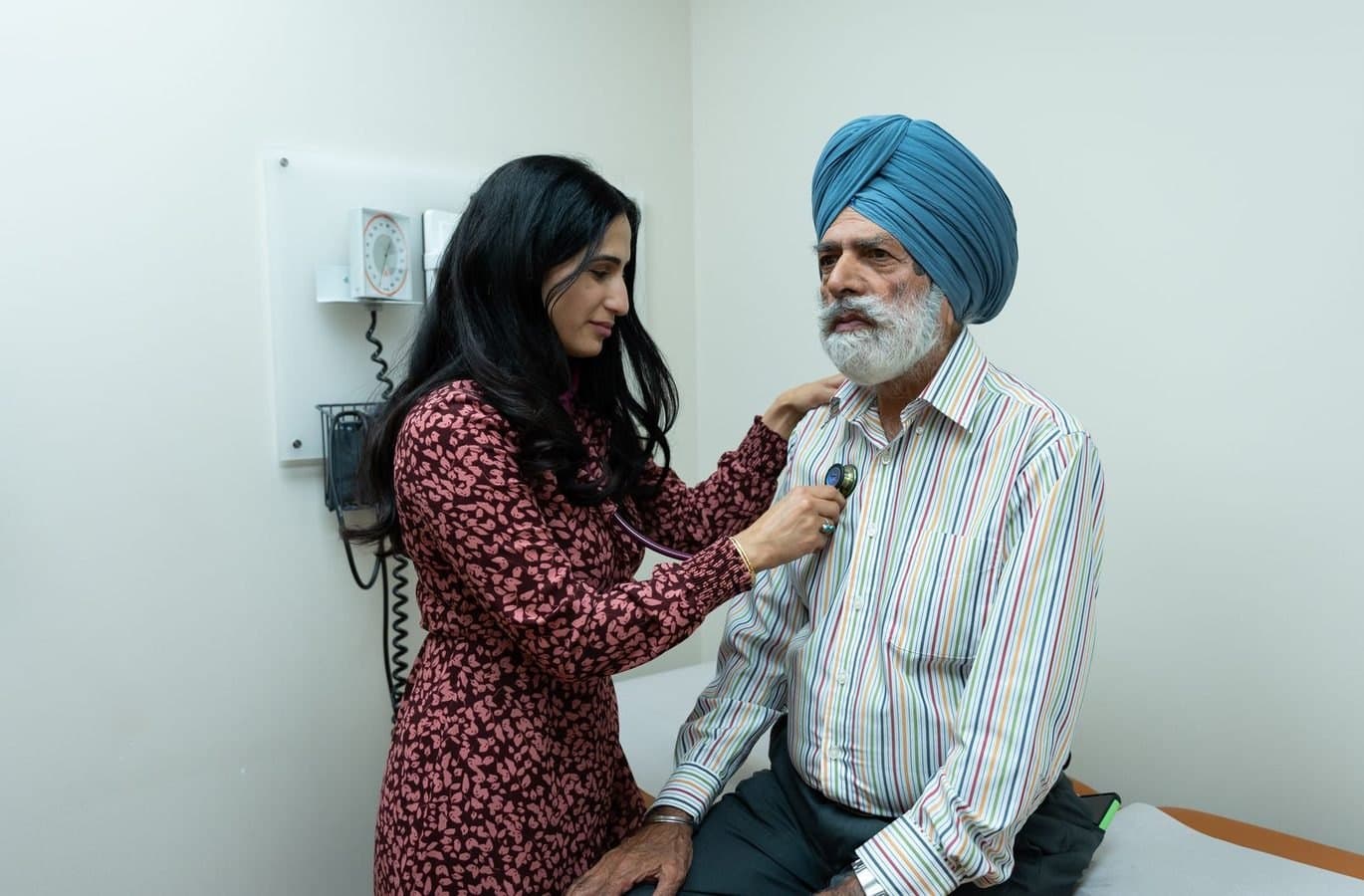
Physical Examination: A head-to-toe assessment checking your heart, lungs, abdomen, skin, and neurological function.
Laboratory Work: Blood tests screening for cholesterol, blood sugar, kidney function, liver health, and other key markers.
Health History Review: Discussion of any new symptoms, medications, family history updates, or lifestyle changes.
Age-Appropriate Screenings: Cancer screenings, bone density tests, and other assessments based on your age and risk factors.
Wellness Counseling: Personalized advice on nutrition, exercise, stress management, and preventive strategies.
Most importantly, your annual exam is a time for questions. Bring a list of concerns, no matter how minor they seem. This is your dedicated time to discuss your health goals and get expert guidance.
Overcoming Barriers to Care
We know that busy schedules, cost concerns, and even anxiety about potential findings can keep people from scheduling their annual exam. But the cost of skipping preventive care almost always exceeds the investment in staying proactive.
Most insurance plans cover annual wellness visits at no cost to you. Direct primary care models offer even more accessibility with direct physician access for a flat monthly fee, removing financial barriers entirely. As for time, consider this: one hour per year is a small investment compared to weeks or months managing a preventable disease.
If you're nervous about what your doctor might find, remember that knowledge is power. Finding a problem early gives you options and control. Ignoring warning signs doesn't make them disappear. It just makes them harder to treat.
Your annual physical exam is one of the most valuable hours you'll spend all year. It's an investment in longevity, quality of life, and peace of mind. Whether you're managing chronic conditions, pursuing optimal wellness, or simply want to stay ahead of potential problems, this yearly checkup is your opportunity to take charge of your health.
Don't wait for symptoms to force your hand. Schedule your annual physical today and make proactive healthcare a cornerstone of your wellness routine. Your future self will thank you.