Imagine your body sending you a warning signal, a message that says, "Pay attention now, and you can change your future." That's exactly what prediabetes is: a critical opportunity to prevent type 2 diabetes before it develops. For the millions of Americans living with prediabetes, many don't even know they have it. But understanding this condition and taking action can literally change the trajectory of your health.
Prediabetes isn't a diagnosis to fear. It's a gift of time. It's your body's way of giving you a chance to make meaningful changes before blood sugar levels cross into diabetes territory. With the right knowledge and support, you can reverse prediabetes and significantly reduce your risk of developing type 2 diabetes and its associated complications.
What Is Prediabetes?
Prediabetes is a health condition where blood sugar levels are higher than normal but not yet high enough to be classified as type 2 diabetes. Think of it as the warning zone on a gauge: you're not in the danger zone yet, but you're close enough that action is needed.
According to the Centers for Disease Control and Prevention (CDC), more than 98 million American adults (approximately one in three) have prediabetes. Even more concerning, about 80% of people with prediabetes don't know they have it because it often has no symptoms.
Prediabetes is diagnosed through blood tests that measure:
- A1C (hemoglobin A1C): 5.7% to 6.4% indicates prediabetes
- Fasting blood glucose: 100 to 125 mg/dL suggests prediabetes
- Oral glucose tolerance test: 140 to 199 mg/dL after two hours indicates prediabetes
Who Is at Risk?
While prediabetes can affect anyone, certain factors increase your risk. Understanding these risk factors can help you and your healthcare provider determine if screening is appropriate for you.
Key risk factors include:
- Being overweight or obese, particularly with excess weight around the abdomen
- Being age 45 or older
- Having a parent or sibling with type 2 diabetes
- Leading a physically inactive lifestyle
- Having had gestational diabetes during pregnancy
- Having polycystic ovary syndrome (PCOS)
- Having high blood pressure or abnormal cholesterol levels
"The most powerful thing about prediabetes is that it's reversible. With lifestyle changes, you can bring your blood sugar back to normal levels and dramatically reduce your diabetes risk."
Why Prediabetes Matters: The Health Stakes
Without intervention, 15% to 30% of people with prediabetes will develop type 2 diabetes within five years. But the concerns don't stop there. Even at the prediabetes stage, elevated blood sugar can begin to damage blood vessels and nerves, increasing your risk of:
- Heart disease and stroke
- Kidney disease
- Vision problems including retinopathy
- Nerve damage (neuropathy)
The good news? Research consistently shows that lifestyle interventions can reduce the risk of progression to type 2 diabetes by up to 58%. For people over 60, that reduction can be even higher, up to 71%. These aren't small numbers; they represent real, achievable protection for your future health.
Evidence-Based Strategies to Reverse Prediabetes
The landmark Diabetes Prevention Program (DPP) study provided clear evidence that lifestyle changes work. Participants who made moderate lifestyle changes reduced their risk of developing type 2 diabetes by 58% compared to those who didn't make changes. Here's what works:
Lose 5-7% of Your Body Weight
If you weigh 200 pounds, that's just 10 to 14 pounds. This modest weight loss has been shown to significantly improve insulin sensitivity and lower blood sugar levels. The key is sustainable change, not crash dieting.
Get Moving for 150 Minutes Per Week
That's 30 minutes a day, five days a week, of moderate-intensity activity like brisk walking. Physical activity helps your cells use insulin more effectively and lowers blood sugar. You don't need a gym membership. A daily walk around your neighborhood or along the bosque trail counts.
Eat a Balanced, Whole-Foods Diet
Focus on vegetables, whole grains, lean proteins, and healthy fats. Limit refined carbohydrates, sugary drinks, and processed foods. You don't have to follow a restrictive diet. Simply choosing nutrient-dense foods most of the time makes a difference.
Prioritize Quality Sleep
Poor sleep affects hormones that regulate blood sugar and appetite. Aim for seven to nine hours of quality sleep per night. Establish a consistent sleep schedule and create a restful environment.
Manage Stress
Chronic stress raises cortisol levels, which can increase blood sugar. Find stress-management techniques that work for you, whether that's meditation, yoga, time in nature, or talking with a counselor.
The Role of Professional Support
While lifestyle changes are the cornerstone of reversing prediabetes, you don't have to do it alone. Working with a healthcare provider who understands your unique situation can make all the difference. Regular monitoring, personalized guidance, and ongoing support increase your chances of success.
A comprehensive approach includes regular blood sugar monitoring, assessment of other cardiovascular risk factors, and adjustments to your plan as needed. Some people may also benefit from medications like metformin, particularly if lifestyle changes alone aren't sufficient.
Taking Action Today
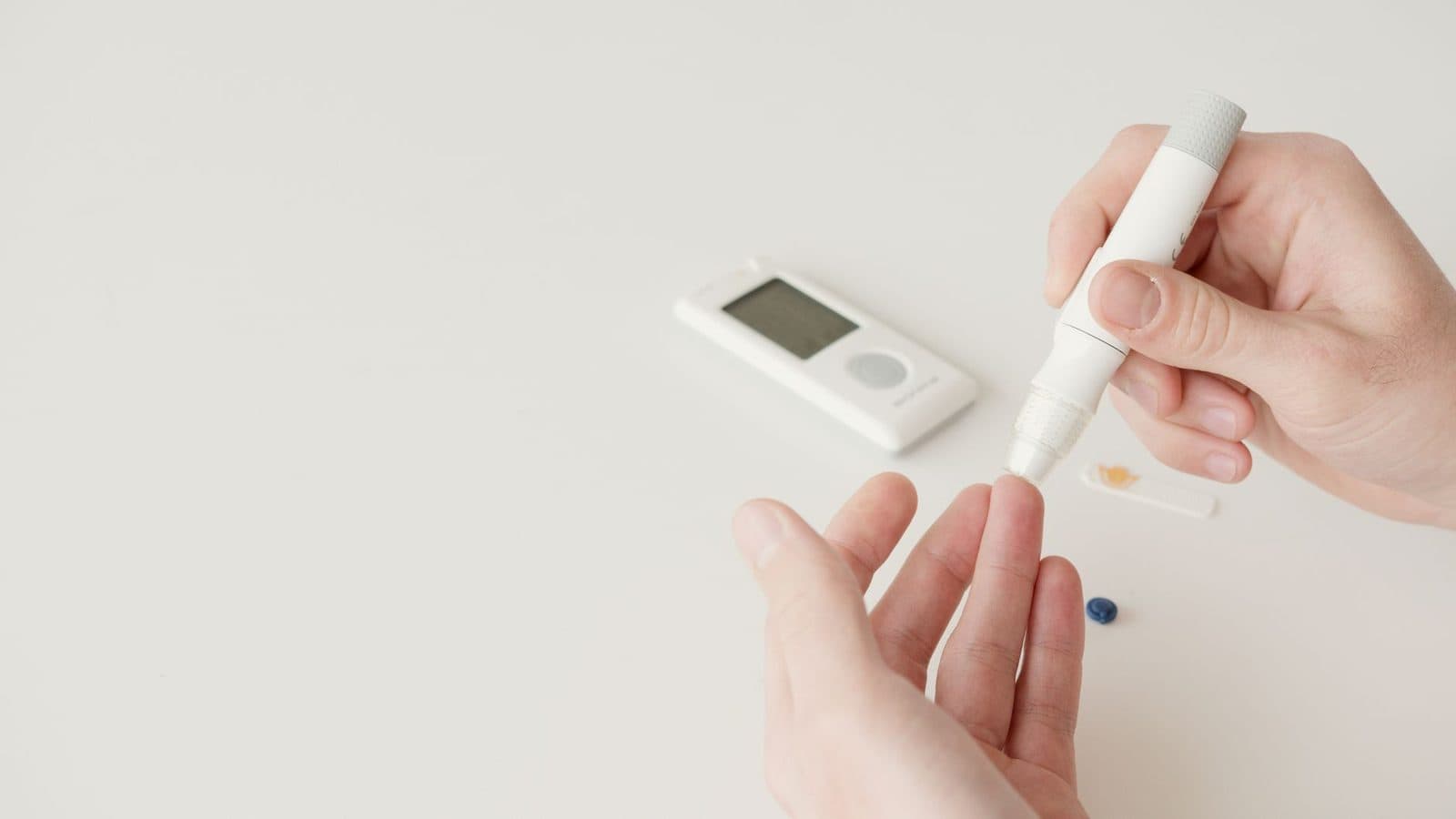
If you haven't had your blood sugar checked recently and you have risk factors for prediabetes, now is the time to get screened. Early detection gives you the maximum window of opportunity to make changes that matter.
Once you know where you stand, you can take meaningful action. Remember that small, consistent changes add up to significant results over time. You don't have to overhaul your entire life overnight. Start with one sustainable change (maybe a daily 20-minute walk or swapping sugary drinks for water) and build from there.
Prediabetes is not a life sentence; it's a second chance. With the right information, support, and commitment to change, you can reverse course and protect your long-term health. Your future self will thank you for the steps you take today.
At Body1MD Primary Care & Wellness in Los Ranchos de Albuquerque, we're committed to helping you understand your risk, create a personalized prevention plan, and support you every step of the way. Prediabetes doesn't have to become diabetes. Let's work together to write a healthier story.