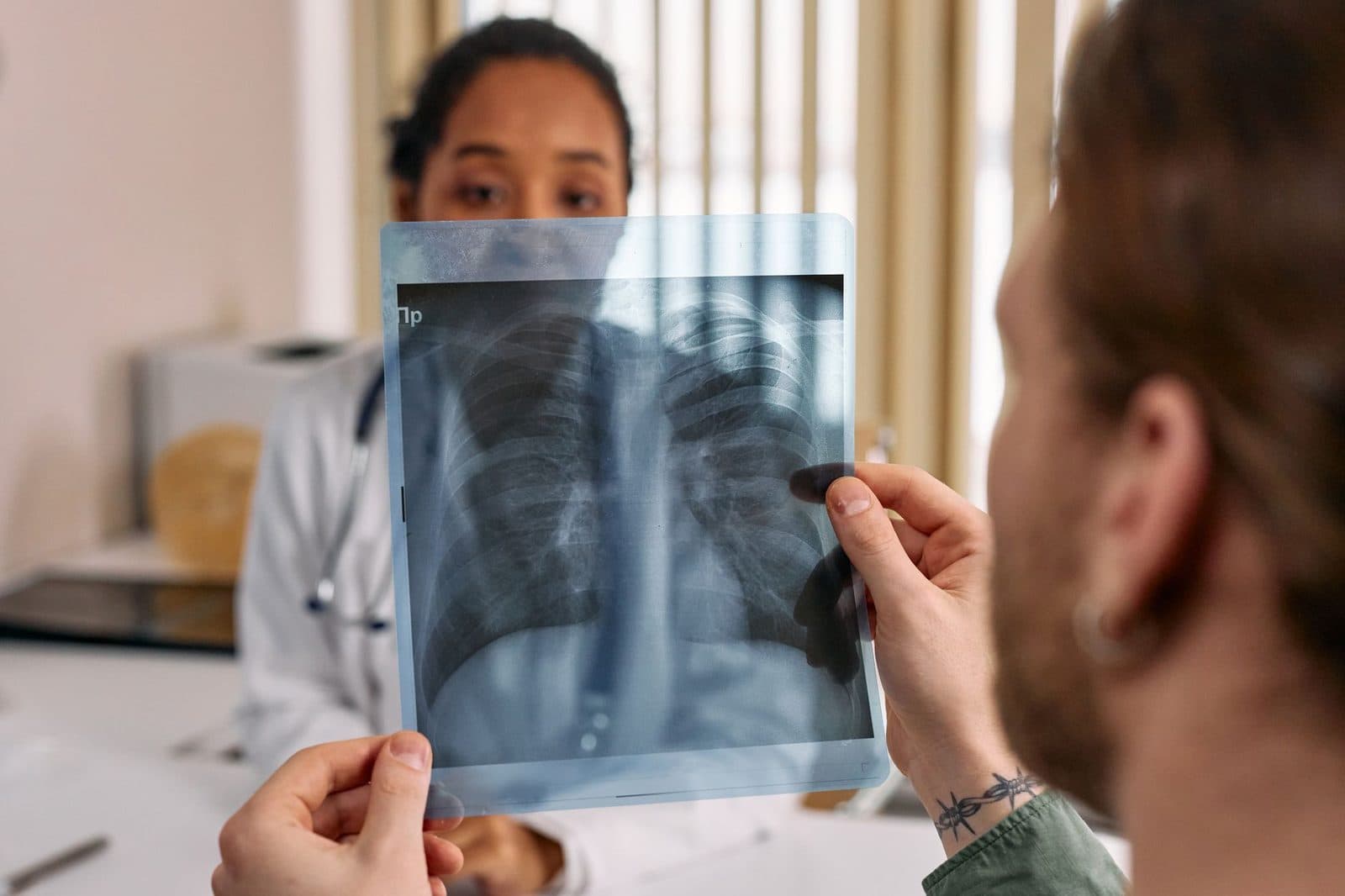
Every year, more than a million Americans are hospitalized with pneumonia, and for vulnerable adults (those over 65, living with chronic conditions, or with weakened immune systems), this common respiratory infection can quickly become life-threatening. Yet many cases are preventable, and early detection dramatically improves outcomes. Understanding your risk factors and knowing the warning signs can make all the difference between a manageable illness and a medical emergency.
What Makes Pneumonia Particularly Dangerous for At-Risk Adults
Pneumonia is an infection that inflames the air sacs in one or both lungs, filling them with fluid or pus. While healthy adults often recover with treatment, certain groups face significantly higher risks of complications, including respiratory failure, sepsis, and death.
You're considered at elevated risk if you:
- Are 65 years or older
- Have chronic lung disease (COPD, asthma, emphysema)
- Live with heart disease or diabetes
- Have a weakened immune system (due to cancer treatment, organ transplant, or HIV)
- Smoke or have a history of heavy alcohol use
- Recently recovered from surgery or a prolonged illness
For these individuals, the body's ability to fight infection is compromised, allowing pneumonia to progress rapidly and severely. This makes both prevention and early intervention absolutely critical.
Evidence-Based Prevention Strategies
The good news is that many pneumonia cases in at-risk adults are preventable through proactive measures supported by strong clinical evidence.
Vaccination: Your First Line of Defense
Pneumococcal vaccines protect against the bacteria responsible for most serious pneumonia cases. The CDC recommends pneumococcal vaccination for all adults 50 and older, given either as a single dose of PCV20 or PCV21, or as PCV15 followed by PPSV23. Younger adults with certain chronic conditions should also be vaccinated. Studies show these vaccines reduce the risk of invasive pneumococcal disease by 50-85% in eligible populations.
Annual flu shots are equally important, because influenza is a leading precursor to bacterial pneumonia, particularly in older adults. Getting your flu vaccine every fall significantly reduces your pneumonia risk throughout the respiratory illness season.
Lifestyle Modifications That Matter
Beyond vaccination, several daily habits substantially lower your pneumonia risk:
- Stop smoking: Smoking damages lung defenses and is the single most modifiable risk factor for pneumonia in adults
- Practice excellent hand hygiene: Wash hands thoroughly and frequently, especially before eating and after being in public spaces
- Maintain good oral health: Poor dental hygiene increases aspiration risk and bacterial load in the mouth
- Manage chronic conditions: Keep diabetes, heart disease, and lung conditions well-controlled through consistent treatment
- Stay active and well-nourished: Regular physical activity and adequate nutrition support immune function
"For vulnerable adults, recognizing pneumonia early, ideally within the first 24 to 48 hours of symptoms, can be the difference between outpatient treatment and hospitalization."
Recognizing the Early Warning Signs
Early detection dramatically improves outcomes, but pneumonia symptoms in older or immunocompromised adults can be atypical. While younger, healthy people typically present with high fever and severe cough, at-risk adults may experience more subtle warning signs.
Classic Symptoms to Watch For
- Persistent cough, often producing yellow, green, or bloody mucus
- Fever, sweating, and shaking chills
- Shortness of breath, especially with activity
- Chest pain that worsens with breathing or coughing
- Fatigue and loss of appetite
Atypical Presentations in Vulnerable Adults
Older adults and those with weakened immune systems may not develop fever or prominent cough. Instead, watch for:
- Sudden confusion or changes in mental awareness
- Lower-than-normal body temperature
- Worsening of existing chronic conditions
- Rapid breathing or heart rate
- Unexplained weakness or falls
These subtle changes are often dismissed as "just getting older" or attributed to other conditions. For at-risk adults, any unexplained decline in function deserves prompt medical evaluation.
When to Seek Medical Care
If you're in an at-risk category and develop any concerning respiratory symptoms, contact your healthcare provider promptly. Don't wait to see if symptoms improve on their own. Early diagnosis allows for outpatient treatment in many cases, while delayed care often leads to hospitalization.
Seek immediate emergency care if you experience:
- Severe difficulty breathing or shortness of breath at rest
- Chest pain
- Persistent fever above 102°F (39°C)
- Bluish lips or fingertips
- Confusion or altered mental state
- Persistent vomiting or inability to keep down fluids
The Role of Ongoing Primary Care
For at-risk adults, establishing a consistent relationship with a primary care provider is perhaps the most effective long-term prevention strategy. Regular check-ups allow your provider to:
- Ensure you receive appropriate vaccinations on schedule
- Optimize management of chronic conditions that increase pneumonia risk
- Assess your individual risk factors and provide personalized prevention advice
- Establish baseline health status, making it easier to detect changes early
- Provide rapid access when respiratory symptoms develop
In a direct primary care model, the enhanced accessibility and extended visit times allow for more thorough discussions about prevention strategies and earlier intervention when concerning symptoms arise. Both are critical advantages for patients at elevated pneumonia risk.
Pneumonia remains a serious threat to vulnerable adults, but it doesn't have to be inevitable. Through vaccination, healthy lifestyle choices, awareness of warning signs, and partnership with a dedicated primary care provider, you can significantly reduce your risk and ensure prompt treatment if infection does occur. If you're in an at-risk category, now is the time to review your prevention plan and establish the care relationships that will protect your health through every season.
Dr. Andrew Hemmen is a board-certified internal medicine physician who has cared for patients in New Mexico since 2008. At Body1MD in Los Ranchos de Albuquerque, he provides evidence-based patient education and direct primary care.