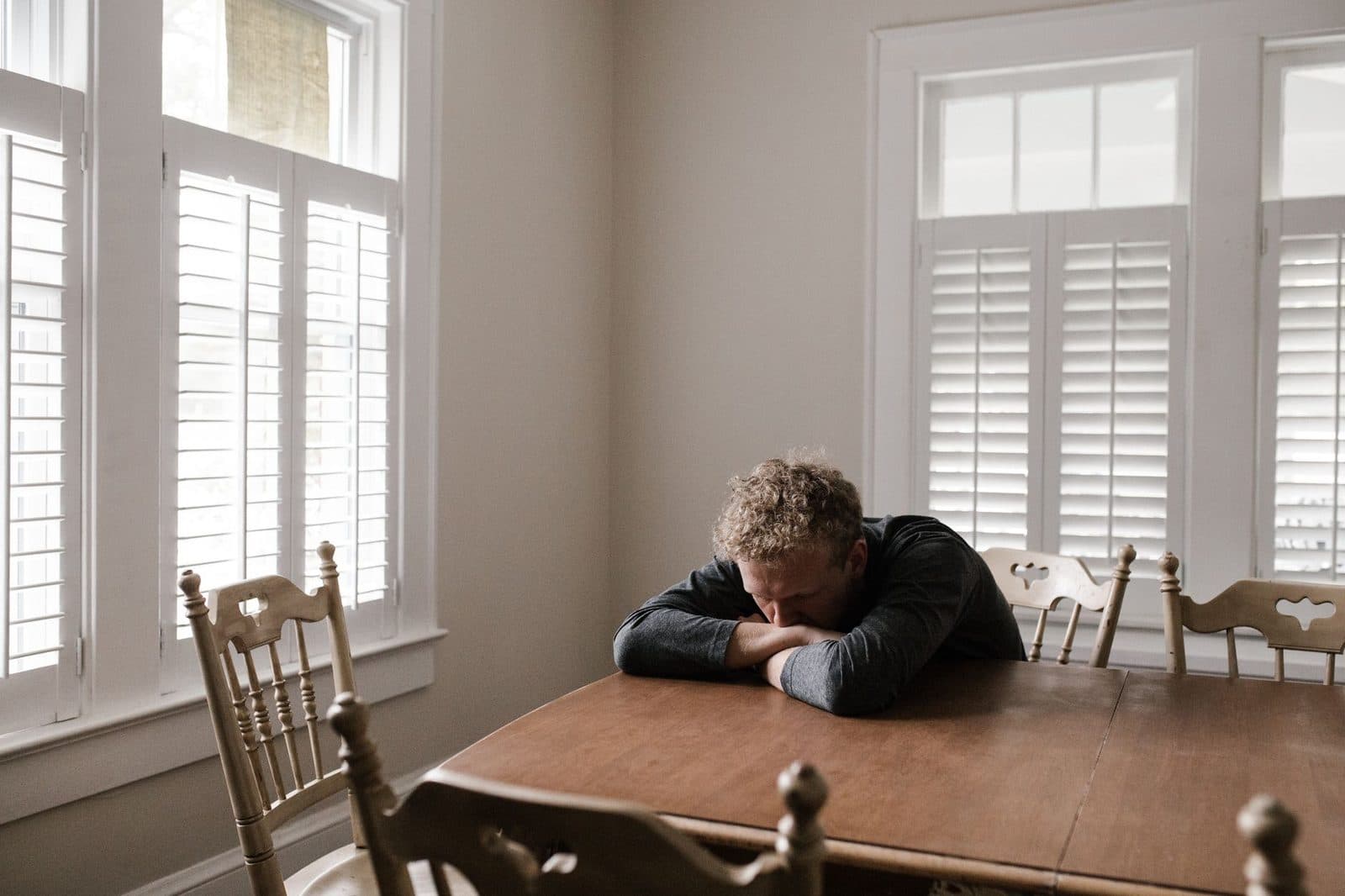
When depression takes hold, it can feel overwhelming to know where to turn. Many people assume they need to see a psychiatrist or therapist immediately, but there's another path that's often faster, more accessible, and surprisingly effective: calling your primary care doctor. In fact, research shows that primary care physicians manage the majority of depression cases in the United States, and for good reason.
Your primary care doctor isn't just there for physical ailments. They're equipped to address mental health concerns like depression, often providing the continuity of care and holistic approach that can make all the difference in your recovery journey.
Depression Is More Common Than You Think
Depression affects more than 21 million adults in the United States each year, making it one of the most common mental health conditions. Yet despite its prevalence, nearly two-thirds of people with depression don't seek treatment. Stigma, confusion about where to start, and long wait times for specialists all contribute to this treatment gap.
Here's what many people don't realize: depression isn't just a mental health issue. It's a whole-body condition. It can manifest as chronic fatigue, unexplained aches and pains, changes in appetite, sleep disturbances, and even increased susceptibility to other illnesses. Your primary care doctor is trained to recognize these connections and treat the whole person, not just isolated symptoms.
Why Primary Care Is Often the Best First Step
There are several compelling reasons to start your depression treatment journey with your primary care physician:
- Accessibility and Speed: Wait times to see a psychiatrist can stretch for months in many communities. Your primary care doctor can often see you within days or even the same week, allowing you to start treatment when you need it most.
- Existing Relationship: Your doctor already knows your medical history, medications, and life circumstances. This context is invaluable when diagnosing and treating depression, as it helps rule out other medical causes and tailor treatment to your unique situation.
- Comprehensive Care: Depression often coexists with other health conditions like diabetes, heart disease, or thyroid disorders. Your primary care doctor can address all of these simultaneously, ensuring coordinated treatment.
- Lower Barrier to Entry: There's often less stigma and anxiety around calling your regular doctor than seeking out a mental health specialist for the first time. This familiarity can make it easier to take that crucial first step.
"Primary care physicians successfully treat mild to moderate depression in the majority of cases, with outcomes comparable to specialty mental health care."
What Depression Treatment Looks Like in Primary Care
When you bring depression concerns to your primary care doctor, you can expect a thorough evaluation. Your doctor will likely:
- Conduct a depression screening using validated tools like the PHQ-9 questionnaire
- Rule out medical conditions that can mimic or contribute to depression (thyroid problems, vitamin deficiencies, hormonal changes)
- Discuss treatment options, which may include medication, lifestyle modifications, or referral to therapy
- Create a follow-up plan to monitor your progress and adjust treatment as needed
Many primary care doctors are comfortable prescribing antidepressant medications for mild to moderate depression. They can also provide counseling on evidence-based lifestyle interventions (regular exercise, sleep hygiene, nutrition, and stress management) that research shows can be as effective as medication for some patients.
When Specialist Referral Makes Sense
While primary care doctors can effectively manage most depression cases, there are times when specialist involvement is important. Your doctor may refer you to a psychiatrist or therapist if:
- You have severe or treatment-resistant depression
- You're experiencing suicidal thoughts or self-harm urges
- Initial treatments haven't been effective after 8-12 weeks
- You have complex psychiatric conditions requiring specialized care
The key advantage of starting with primary care is that your doctor can coordinate this referral process and continue managing your overall health while you work with specialists. You're not alone in navigating the mental health system.
The Direct Primary Care Advantage
In traditional healthcare settings, rushed appointments and limited access can make it difficult to address mental health concerns thoroughly. Direct primary care (DPC) offers a different model that can be particularly beneficial for managing depression:
- Longer appointments mean time to truly discuss what you're experiencing without feeling rushed
- Same-day or next-day appointments when you're struggling and need support
- Direct communication with your doctor via phone, text, or email between visits
- A continuous relationship that allows your doctor to notice subtle changes and provide personalized care
This model removes many of the barriers that prevent people from getting help for depression, making it easier to start treatment and stay engaged in your care plan.
Taking the First Step
If you're experiencing symptoms of depression (persistent sadness, loss of interest in activities you once enjoyed, changes in sleep or appetite, difficulty concentrating, or feelings of hopelessness), don't wait to reach out. Your primary care doctor is there to help, and there's no need to have everything figured out before making that call.
Depression is a medical condition, just like diabetes or high blood pressure. It's not a character flaw, and it's not something you should try to power through alone. Treatment works, and starting with your primary care doctor gives you the fastest path to feeling better while ensuring your overall health is addressed.
In Albuquerque and beyond, primary care physicians are increasingly recognizing their crucial role in mental health care. By making your doctor your first call, you're taking an important step toward recovery, one that's accessible, comprehensive, and backed by evidence.